Adam Diaz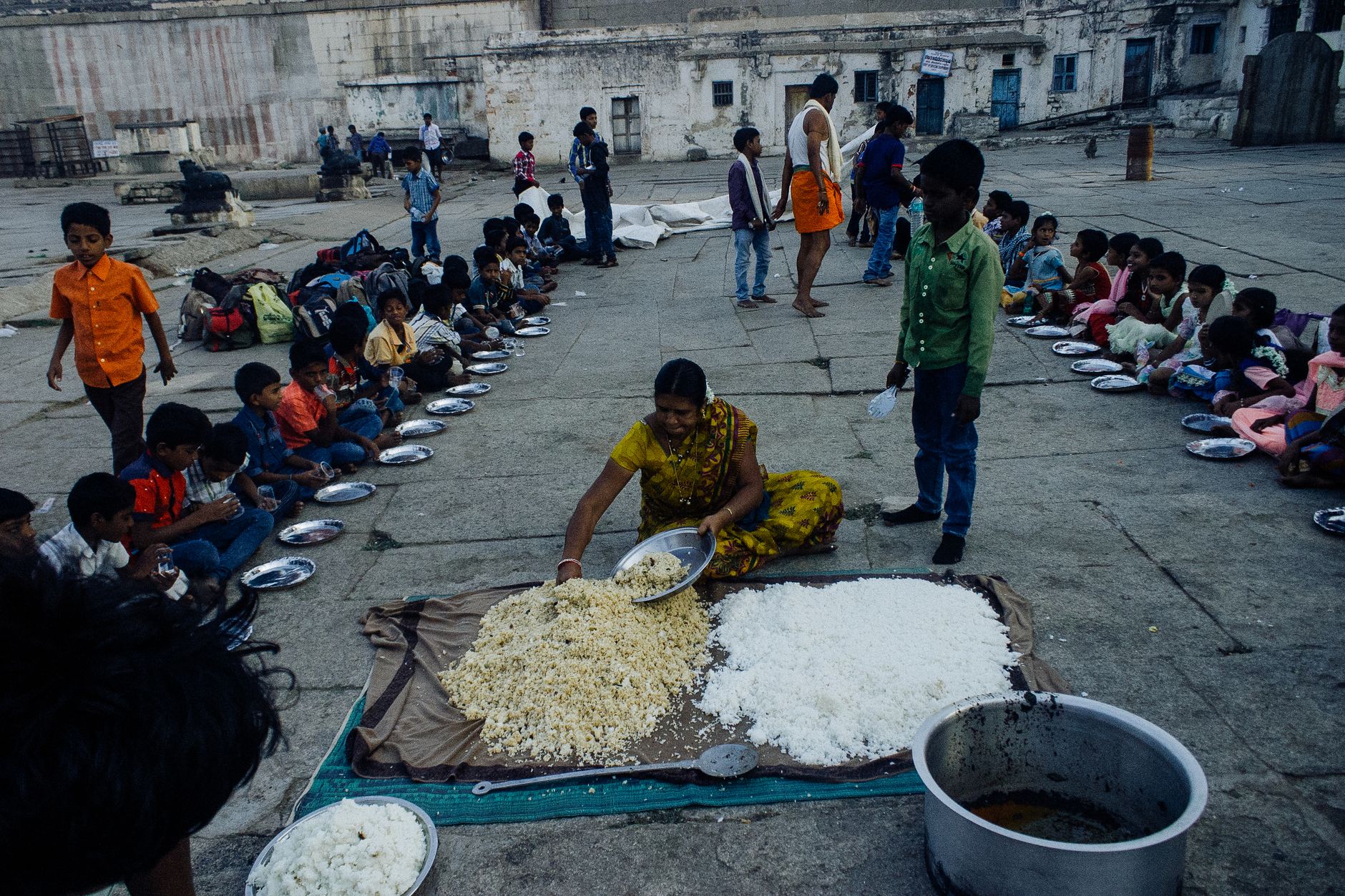
Welfare Schemes India play a crucial role in enhancing the quality of life for citizens. These initiatives not only provide financial support but also promote social security and economic growth.
Overview of Welfare Schemes in India
Welfare schemes in India play a crucial role in combating poverty and improving the standard of living for millions. Over the years, the government has implemented various initiatives aimed at providing financial assistance, healthcare, education, and employment opportunities to the underprivileged sections of society.
These schemes are designed to address specific needs and challenges faced by different demographics, including women, children, and the elderly. Some of the notable welfare schemes include:
- Pradhan Mantri Jan Dhan Yojana: Aims to promote financial inclusion by providing bank accounts to the unbanked.
- Mid-Day Meal Scheme: Provides nutritious meals to school children, enhancing their health and education.
- Mahatma Gandhi National Rural Employment Guarantee Act: Ensures at least 100 days of wage employment in a financial year to every rural household.
These welfare schemes in India have proven effective in fostering economic growth and promoting national security through social stability.
Impact of National Security on Governance
The relationship between national security and governance plays a crucial role in the implementation and effectiveness of welfare schemes in India. A secure environment fosters economic stability, which is essential for the successful execution of various welfare initiatives aimed at uplifting the marginalized sections of society.
In recent years, the Indian government has recognized that bolstering national security directly impacts governance, creating a more conducive atmosphere for welfare schemes. The following points illustrate this connection:
- Enhanced Resource Allocation: A secure nation can allocate more resources towards welfare programs, thus improving their reach and effectiveness.
- Increased Investor Confidence: Enhanced national security attracts domestic and foreign investments, leading to economic growth that can fund welfare schemes.
- Social Stability: A focus on security ensures social cohesion, reducing conflicts that often undermine welfare efforts.
Ultimately, the synergy between national security and governance is vital for the success of welfare schemes in India.
Economic Growth and Welfare Initiatives
The economic growth of India has been significantly influenced by various welfare schemes designed to uplift marginalized communities. These initiatives aim to create a robust safety net that fosters inclusivity and ensures that no one is left behind. The synergy between welfare schemes and economic development has led to remarkable advancements in poverty alleviation and job creation.
Key benefits of these welfare initiatives include:
- Enhanced Access to Education: Programs that provide scholarships and free education have resulted in higher literacy rates.
- Healthcare Improvements: Initiatives focusing on health have significantly reduced mortality rates and improved overall public health.
- Women Empowerment: Schemes aimed at promoting gender equality have empowered women, leading to increased participation in the workforce.
These welfare schemes are not just about immediate relief; they are essential for sustainable economic growth in India.
Challenges Facing Welfare Schemes
While welfare schemes in India have made significant strides in improving the lives of millions, they face several challenges that hinder their effectiveness. One major issue is corruption, which can divert funds away from intended beneficiaries. Additionally, the bureaucratic hurdles often slow down the implementation of these schemes, causing delays in aid reaching those in need.
Another challenge is the lack of awareness among the rural population regarding the available welfare schemes, leading to underutilization of resources. Furthermore, the insufficient infrastructure in remote areas complicates the delivery of services, making it difficult for beneficiaries to access the support they require.
Lastly, the inconsistency in policy implementation across different states can create disparities in access to welfare programs, undermining their overall impact on economic growth and social equity.
Future of Welfare Programs in India
The future of welfare programs in India appears promising, with ongoing efforts to enhance their effectiveness and reach. As the government emphasizes the importance of welfare schemes India, several initiatives are being restructured to adapt to changing socio-economic conditions.
Key areas of focus for future developments include:
- Technology Integration: Utilizing digital platforms to streamline the delivery of benefits and reduce corruption.
- Targeted Approaches: Designing schemes that address the specific needs of marginalized communities to ensure inclusivity.
- Public-Private Partnerships: Encouraging collaboration between the government and private sector to enhance resource allocation and management.
- Monitoring and Evaluation: Implementing rigorous assessment frameworks to measure the impact and effectiveness of welfare schemes.
As India moves forward, these strategies are expected to bolster the sustainability and success of welfare initiatives, ultimately fostering a more equitable society.
Public Response to Welfare Initiatives
The public response to welfare initiatives in India has been largely positive, with many citizens acknowledging the significant benefits these programs provide. Welfare schemes in India have aimed to address various socio-economic issues, leading to improved living standards for many households.
Surveys indicate that the following factors contribute to the favorable public sentiment:
- Accessibility: Many citizens report easier access to essential services and financial support.
- Awareness: Increased awareness of available schemes has empowered people to take advantage of these opportunities.
- Community Support: Local organizations often play a crucial role in facilitating access to welfare programs.
However, while the overall response has been encouraging, some areas still require improvements to ensure equitable distribution and effectiveness of welfare schemes across all regions.
Welfare Schemes India have significantly improved the living standards of millions by providing essential services and financial aid. Understanding the impact of these programs can help in optimizing Welfare Schemes India for future generations.
Photo by Plato Terentev on Pexels