Adam Diaz
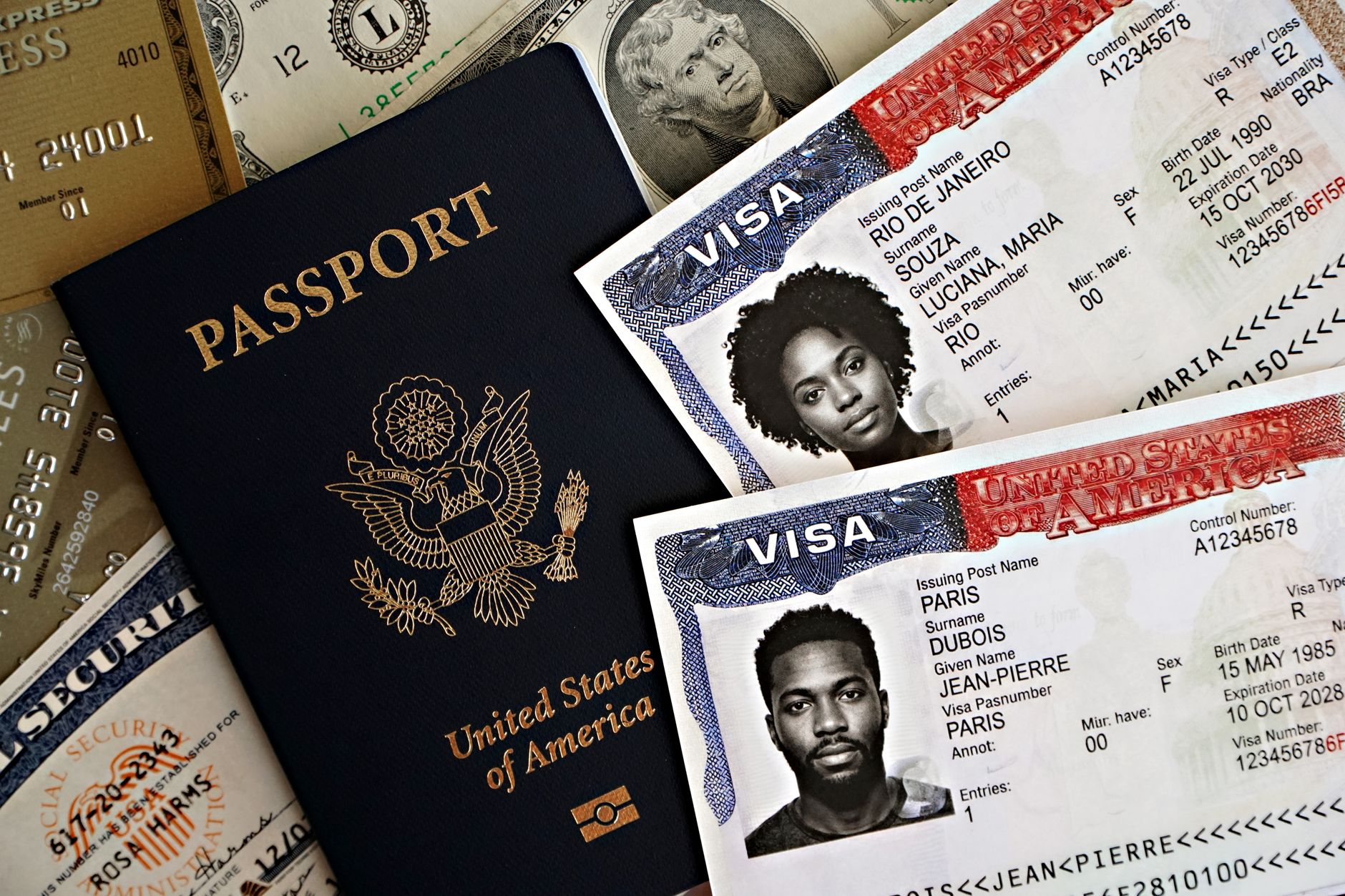
visa-free entry for Indians has been jeopardized as Malaysia reacts to ASEAN ties. This decision marks a significant shift in diplomatic relations and travel policies for Indian citizens.
Impact of ASEAN Ties on Visa Policies
The recent developments in ASEAN relations have raised concerns regarding visa policies affecting Indian travelers. The decision by Malaysia to end visa-free entry for Indians marks a significant shift in diplomatic ties within the region. This change has caused unease among frequent travelers and tourists from India, who previously enjoyed streamlined access to Malaysia.
This alteration in visa policies could have broader implications for India’s relationship with ASEAN countries. The elimination of visa-free entry may lead to:
- Reduced Travel: Indian tourists may reconsider their travel plans, impacting Malaysia’s tourism industry negatively.
- Economic Consequences: Less tourist inflow can result in financial losses for local businesses that thrive on foreign visitors.
- Strained Relations: The decision may signal a cooling of relations between India and Malaysia, affecting future collaborations.
- Increased Bureaucracy: Travelers will now face additional hurdles in visa applications, leading to delays and frustrations.
As ASEAN ties evolve, the impact of visa-free entry for Indians becomes increasingly significant, raising questions about the future of mobility and cooperation in the region.
Malaysia’s Decision Explained
Malaysia’s recent decision to revoke visa-free entry for Indians has sent shockwaves throughout the travel community. This move comes amid a broader reassessment of relations within the ASEAN framework and highlights the complexities of diplomatic ties. The Malaysian government has expressed concerns over security and immigration issues, leading to the implementation of stricter entry protocols for travelers from India.
Several factors contributed to this decision, including:
- Security Concerns: Heightened fears regarding potential security threats have prompted Malaysia to tighten its border controls.
- Economic Factors: The decision may also reflect economic considerations, as Malaysia seeks to manage the impact of tourism on local resources.
- Political Dynamics: Shifts in political relations among ASEAN countries have influenced Malaysia’s approach to its visa policies.
This change poses significant challenges for Indian travelers, who previously enjoyed the convenience of visa-free entry. With the new regulations in place, many Indians will now need to navigate a more complex visa application process, potentially impacting tourism and business exchanges between the two nations.
As ASEAN relations evolve, the implications of such decisions will continue to be felt across the region.
What This Means for Indian Travelers
The recent decision by Malaysia to end visa-free entry for Indians marks a significant shift in the landscape of travel within the ASEAN region. For Indian travelers, this change will undoubtedly complicate their travel plans and add additional layers of bureaucracy to their journeys.
Previously, the visa-free entry for Indians allowed for seamless travel, fostering both tourism and cultural exchange. However, with the new policy in place, Indian nationals will now face the following challenges:
- Increased Travel Costs: The requirement for visas often comes with application fees and other associated costs, making trips more expensive for budget-conscious travelers.
- Longer Planning Times: Obtaining a visa can take time, requiring travelers to plan their trips well in advance, which may not be feasible for spontaneous travel.
- Administrative Hurdles: The visa application process can be confusing and time-consuming, potentially deterring some travelers from visiting Malaysia altogether.
This shift in visa policy may not only affect tourism numbers but also strain the long-standing ties between India and ASEAN nations, highlighting the complex interplay of diplomatic relations and travel accessibility.
Future of Visa-Free Entry in ASEAN
The future of visa-free entry for Indians in ASEAN regions hangs in the balance following Malaysia’s recent decision to end this privilege. With growing geopolitical dynamics, the implications of ASEAN ties may significantly reshape travel policies for Indian citizens.
Countries within ASEAN are increasingly prioritizing their national interests, which could lead to more stringent immigration regulations. This shift raises concerns about the ease of travel for Indian nationals, who have historically enjoyed favorable access to several Southeast Asian countries.
Travel experts warn that other ASEAN nations might follow Malaysia’s lead, potentially reducing the level of access and convenience Indian travelers have experienced. This trend could impact tourism, business exchanges, and cultural interactions, which have thrived under the previous visa-free agreements.
Furthermore, as ASEAN countries strengthen their economic ties with nations outside the bloc, the focus may shift away from accommodating Indian travelers. The possibility of increased reciprocity in visa regulations also looms, making it essential for Indian authorities to reassess their diplomatic strategies.
In conclusion, the future of visa-free entry for Indians in ASEAN is uncertain, necessitating proactive measures to maintain travel accessibility in this crucial region.
Photo by DΛVΞ GΛRCIΛ on Pexels