Adam Diaz
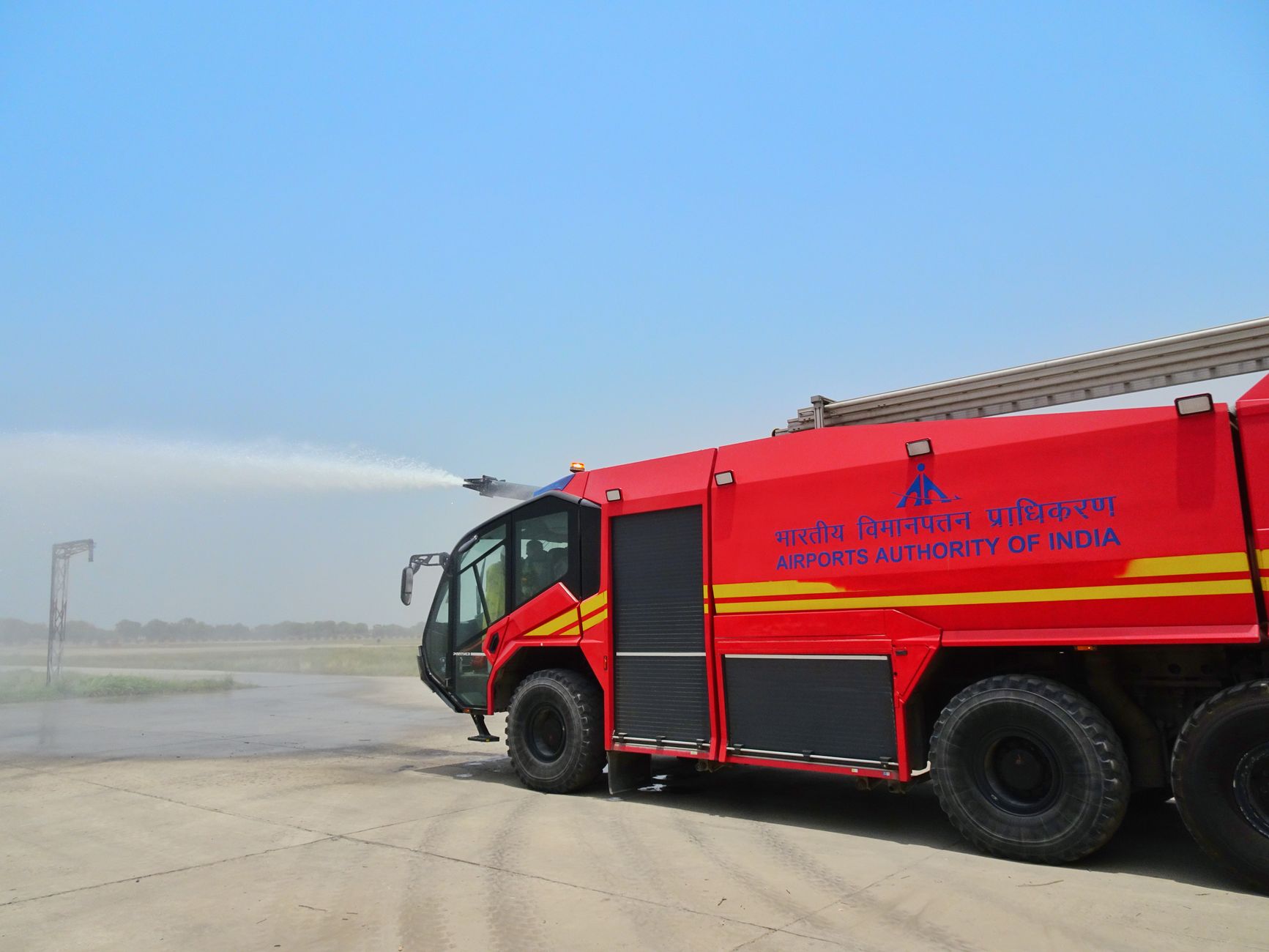
Risky airports in India have raised serious safety concerns among pilots and passengers alike. A recent allegation by a captain highlights the lack of equipped Air Traffic Control Centres at these locations, putting travelers at risk.
Understanding Risky Airports
Air travel is often considered one of the safest modes of transportation, yet certain airports pose significant challenges to pilots and passengers alike. In India, a number of risky airports have been highlighted due to their unique geographical features and inadequate infrastructure. These airports often lack well-equipped Air Traffic Control Centres, which can lead to increased chances of accidents and mishaps.
One of the primary concerns at these airports is the challenging terrain. Many are situated in mountainous or remote regions, where sudden weather changes can severely impact flight operations. Moreover, the limited runways and navigational aids further complicate the landing and takeoff procedures. Pilots must exercise heightened caution when operating in these environments, as the margin for error is significantly reduced.
Furthermore, a lack of proper emergency services at these risky airports in India exacerbates the dangers. In the event of an incident, the response time can be severely delayed, putting lives at risk. Local authorities are urged to enhance the safety measures and infrastructure to mitigate these risks.
Ultimately, understanding the challenges posed by these airports is crucial for both travelers and aviation professionals. Awareness can lead to better preparation and informed decision-making when choosing to fly into or out of these high-risk locations.
The Role of Air Traffic Control
Air traffic control plays a critical role in ensuring the safety of flights, especially in challenging environments such as the risky airports in India. With the increasing number of flights operating in and out of these airports, the demand for well-equipped air traffic control centers has never been higher. However, many airports continue to operate without adequate facilities, raising concerns among pilots and aviation experts.
Captain Ravi Kumar, an experienced pilot, recently brought attention to this issue, alleging that several flights are being made to operate in risky conditions without the support of equipped air traffic control centers. He emphasized the following points:
- Increased Risks: Without proper air traffic control, pilots face greater challenges in navigating through difficult weather conditions and high traffic areas.
- Communication Gaps: Ineffective communication between pilots and ground control can lead to misunderstandings that jeopardize flight safety.
- Emergency Response: A lack of equipped air traffic control can delay emergency responses, making it difficult to handle critical situations effectively.
Experts argue that the government must invest in upgrading air traffic control facilities at these airports to mitigate risks and enhance overall aviation safety. Implementing modern technology and training personnel will not only improve safety measures but also restore confidence in traveling to some of the most challenging airports in India.
Pilot Safety Concerns
As the aviation industry continues to grapple with safety concerns, the issue of pilot safety at risky airports in India has come to the forefront. Captains and pilots have raised alarms about operating in environments that lack adequate support and infrastructure. Many airports in India, particularly those situated in challenging terrains, are not equipped with the necessary Air Traffic Control Centres, which are crucial for ensuring safe takeoffs and landings.
Without proper air traffic management, pilots face increased risks while navigating through difficult weather conditions and unpredictable terrain. Captain Rajesh Kumar, an experienced pilot, highlighted this concern, stating, “Flying into these airports without the proper support system is like navigating through a minefield. The risks multiply in inclement weather, where visibility is poor.”
The implications of inadequate air traffic control can be severe, leading to potential accidents and jeopardizing the safety of both crew and passengers. As the demand for air travel continues to rise, it becomes imperative for authorities to address these safety concerns seriously.
In summary, the lack of equipped Air Traffic Control Centres at some of the most risky airports in India poses a significant threat. Ensuring that pilots have the right tools and support is essential for maintaining safety in the skies.
Traveling to India: What to Know
Traveling to India can be an exciting adventure, but it is essential to be aware of certain risks associated with flying, particularly when it comes to navigating the country’s risky airports. Understanding the challenges you may face can help ensure a safer travel experience.
First and foremost, travelers should consider the geographical diversity and varying weather conditions across India. Many airports are situated in mountainous or coastal regions, which can lead to complications during takeoff and landing. It is advisable to check the weather forecasts and potential disruptions before your flight.
Additionally, travelers should familiarize themselves with the specific airports they will be using. Some airports have limited infrastructure, inadequate runway lengths, or outdated equipment, which can contribute to an increased risk of incidents. It is wise to read reviews and gather information on these airports ahead of time.
Moreover, understanding the operational challenges faced by airlines is crucial. In recent reports, pilots have raised concerns regarding the lack of equipped Air Traffic Control Centres at several risky airports, which can escalate the dangers associated with flying in these areas.
In conclusion, being informed about the potential hazards at risky airports in India will empower travelers to make better decisions and prepare adequately for their journeys.
How to Stay Safe While Flying
When traveling to some of the risky airports in India, safety should be your top priority. Here are some essential tips to help ensure a safe flying experience:
- Research Your Airport: Before booking your flight, take the time to research the airport’s safety record and any reported incidents. Websites and forums can provide valuable insights from other travelers.
- Choose Reputable Airlines: Opt for airlines that have a strong safety reputation and positive reviews. Established carriers often adhere to stricter safety protocols and maintenance schedules.
- Stay Informed: Keep yourself updated on any travel advisories or alerts regarding the airports you are flying to or from. Government websites and travel agencies can be helpful resources.
- Arrive Early: Give yourself plenty of time to navigate through busy airports, especially if you are unfamiliar with the layout. This reduces stress and allows you to respond better to unforeseen situations.
- Be Aware of Weather Conditions: Weather can significantly impact flight safety, particularly in mountainous regions. Monitor weather updates and understand how they may affect your travel plans.
- Trust Your Instincts: If something feels off, don’t hesitate to voice your concerns to airline staff. Your safety should always come first.
Future of Aviation Safety in India
The future of aviation safety in India is a pressing concern, especially when considering the numerous risky airports in India that have gained notoriety for their challenging operational conditions. As the aviation industry continues to expand, it is crucial to address these risks to ensure passenger safety and maintain confidence in air travel.
Significant advancements in technology and safety protocols are essential for the improvement of airport management and operations. This includes upgrading existing infrastructure and investing in modern air traffic control systems that can handle the unique challenges posed by these airports. Enhanced training for pilots and ground staff is also vital, as it equips them with the skills necessary to navigate these risky environments.
Moreover, collaboration between government bodies, airline operators, and safety organizations will play a crucial role in establishing comprehensive safety regulations tailored to India’s diverse airport landscape. Innovative solutions such as drone technology for runway inspections and predictive analytics to forecast weather conditions can further mitigate risks associated with flying in these challenging locations.
By prioritizing safety and embracing new technologies, India can work towards transforming its aviation sector, ultimately reducing the dangers associated with its most notorious airports and fostering a safer travel experience for all passengers.
Travelers should be aware of the various challenges posed by the risky airports in India, which often include unpredictable weather and challenging terrain. Understanding the specific dangers associated with these risky airports in India can help passengers prepare for a safer journey.
Photo by Tintin Minmin on Pexels
Read the original
Related stories
Visa-Free Entry for Indians: The Worst Impact of ASEAN Ties · Family Visa Portal: Quick and Easy Way to Visit Cuba · Nonstop New York Flights: Air India’s Proven Route Change