Adam Diaz
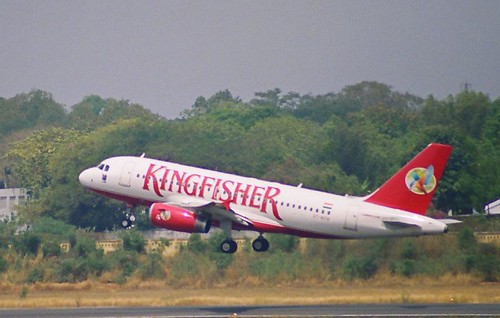
Mumbai airport capacity will shrink significantly as Terminal 1 temporarily shuts down for redevelopment in 2027. This change is expected to impact many travelers and airport operations.
Overview of Mumbai Airport Changes
The recent announcement regarding the temporary shutdown of Terminal 1 at Mumbai Airport is poised to significantly impact the overall capacity of the facility. Set to commence in 2027, this redevelopment project is expected to reduce Mumbai airport capacity by as much as 27%. Such a decrease raises concerns about the handling of passenger traffic during the renovation period.
Terminal 1, primarily serving domestic flights, has been a crucial part of Mumbai’s aviation landscape. With its closure, airlines may face challenges in accommodating travelers, leading to potential delays and overcrowding at the remaining terminals. This situation could exacerbate the already strained operations at Mumbai Airport, especially during peak travel seasons.
In light of these changes, stakeholders are taking proactive measures to mitigate the impact. Measures being considered include:
- Increased coordination among airlines to optimize flight schedules.
- Enhanced passenger services to ensure a smoother travel experience.
- Investments in terminal facilities to improve efficiency at the remaining operational areas.
While the redevelopment aims to modernize and expand Terminal 1, the immediate effects on Mumbai airport capacity will require careful management to ensure that air travel remains efficient and passenger-friendly during this transitional phase.
Reasons for Terminal 1 Closure
The upcoming temporary shutdown of Terminal 1 at Mumbai Airport is attributed to several critical reasons that have been outlined by airport authorities and planners. This closure, scheduled for 2027, is expected to significantly impact Mumbai airport capacity, reducing it by an estimated 27% during the redevelopment phase.
Key factors leading to the decision include:
- Infrastructure Upgrade: Terminal 1, which primarily serves domestic flights, has not undergone significant renovations in many years. The redevelopment aims to modernize the terminal, enhancing passenger experience and operational efficiency.
- Increased Passenger Traffic: With the rise in air travel demand in recent years, the existing capacity of Terminal 1 has become insufficient. The redevelopment is necessary to accommodate the growing number of passengers effectively.
- Safety and Compliance: Ensuring that the terminal meets current safety regulations and standards is a priority. The closure will allow for comprehensive upgrades and compliance measures to be implemented.
- Environmental Considerations: The redevelopment plan incorporates sustainable practices aimed at reducing the ecological footprint of airport operations, aligning with global standards.
While the terminal closure will pose challenges for travelers and airlines, the anticipated improvements are expected to benefit Mumbai airport in the long run.
Impact on Passenger Travel
The temporary shutdown of Terminal 1 at Mumbai Airport in 2027 is set to have a significant impact on passenger travel. With a projected 27% reduction in overall airport capacity, travelers may face increased congestion and longer wait times during this period. The closure is particularly concerning for domestic airlines that predominantly operate from Terminal 1, as they will have to redirect their flights to other terminals.
Passengers are likely to experience a range of challenges, including:
- Increased Travel Times: With fewer terminals in operation, passengers may encounter longer lines for check-in and security checks.
- Flight Schedule Changes: Airlines may adjust their schedules, leading to potential cancellations or rescheduling of flights.
- Limited Amenities: The temporary shift to Terminal 2, which is already handling a high volume of international traffic, may result in overcrowded facilities and reduced access to amenities.
Moreover, the impact on Mumbai airport capacity could deter travelers during peak seasons, leading to decreased tourism and business travel. As the city’s air travel hub, the implications of this shutdown extend beyond just inconvenience; they could affect the local economy and connectivity with other regions.
In light of these challenges, stakeholders are urged to prepare for the transition and implement strategies to mitigate the impact on passenger travel.
Timeline for Redevelopment
The redevelopment of Mumbai Airport’s Terminal 1 is set to significantly alter the airport’s capacity, with a temporary closure expected in 2027. This initiative aims to modernize the terminal and enhance passenger experience, but it comes with its challenges.
The timeline for redevelopment includes several critical phases:
- Planning Phase (2024): Detailed plans will be laid out, addressing both structural changes and operational logistics.
- Construction Start (2025): Major construction work is scheduled to commence, focusing on upgrading facilities and expanding services.
- Terminal Closure (2027): Terminal 1 will officially shut down, resulting in a projected 27% reduction in Mumbai airport capacity during this period.
- Mid-Construction Review (2028): Stakeholders will assess progress, ensuring that the project remains on track and that potential delays are managed effectively.
- Completion and Reopening (2029): The revamped Terminal 1 is expected to reopen, promising improved efficiency and a more comfortable experience for travelers.
As the timeline unfolds, passengers and airlines must prepare for the temporary reduction in capacity, which is anticipated to strain operations during the construction phase. The focus will now shift to ensuring smooth transitions and minimizing disruptions while the redevelopment takes place.
Future of Mumbai Airport Facilities
The future of Mumbai airport facilities is set to undergo significant changes following the temporary shutdown of Terminal 1 for redevelopment in 2027. This closure is expected to lead to a 27% reduction in Mumbai airport capacity, posing challenges for both passengers and airlines. As one of the busiest airports in the country, this capacity reduction raises concerns about accommodating the growing number of travelers.
Officials have assured that the redevelopment will ultimately enhance the airport’s infrastructure and improve the passenger experience. However, the immediate impact of the terminal’s closure could lead to longer wait times, increased congestion, and potential flight delays. Stakeholders are urged to adapt quickly to these changes to minimize disruption.
In light of the upcoming developments, several key initiatives are being planned:
- Enhanced Shuttle Services: To compensate for the terminal closure, improved shuttle services between terminals are being proposed.
- Streamlined Check-In Processes: Efforts to digitize and automate check-in processes aim to reduce passenger wait times.
- Investment in Technology: Implementing advanced technology solutions for baggage handling is also on the agenda.
The future of Mumbai airport facilities will depend heavily on effective execution of these plans to mitigate the impact of the reduced capacity during the terminal’s redevelopment.
The recent shutdown of Terminal 1 has significantly strained Mumbai airport capacity, leading to increased wait times for passengers. As airlines scramble to adjust their schedules, the overall Mumbai airport capacity is being tested like never before.
By Sameer Chhabra via Openverse