Adam Diaz
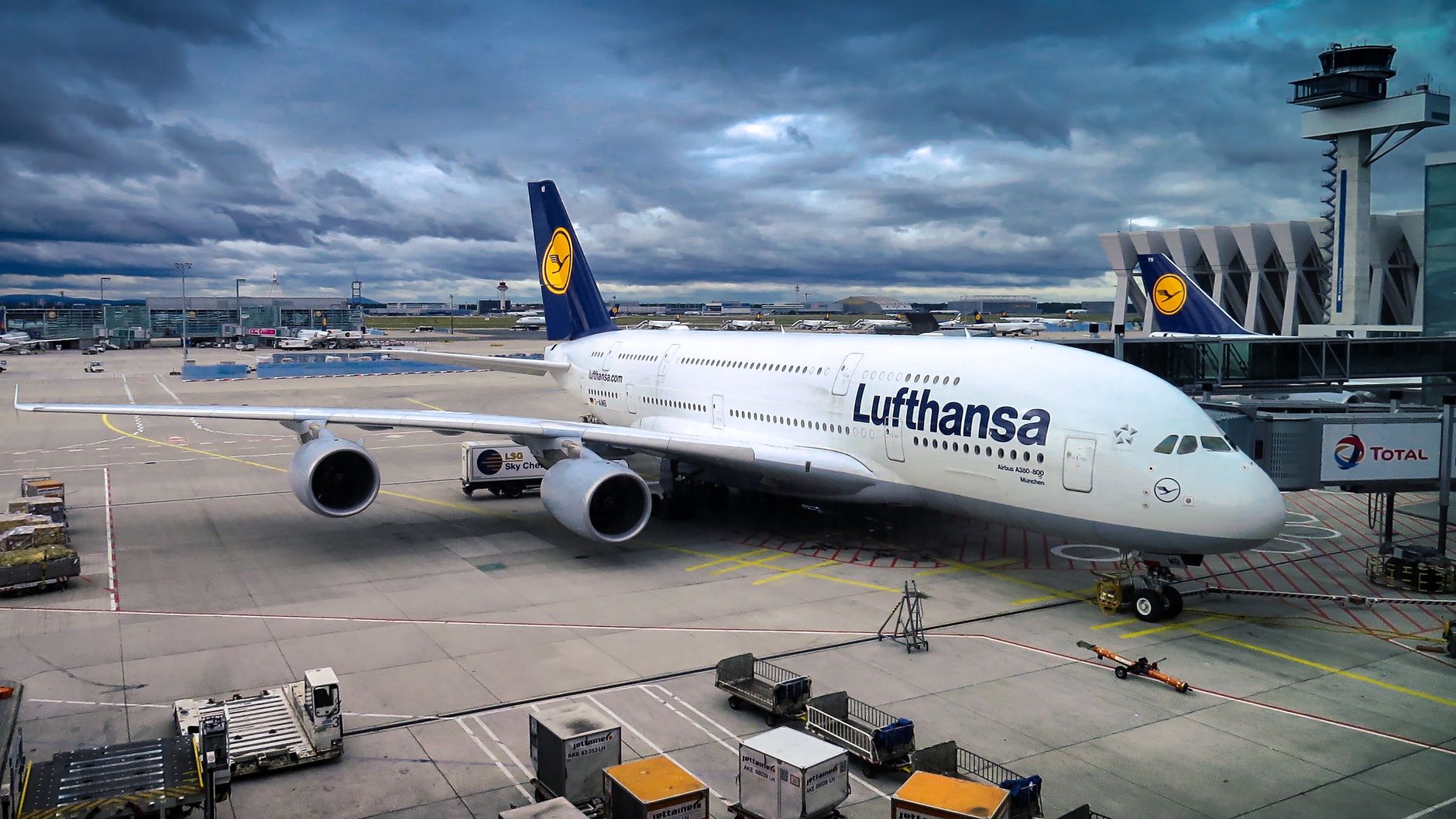
Lufthansa A380 flights are coming to an end, marking a significant shift in the airline’s operations. This decision impacts many travelers and the aviation landscape.
Why is Lufthansa Ending A380 Flights?
Lufthansa’s decision to end its A380 flights has sparked concern among frequent travelers and aviation enthusiasts alike. The airline, known for its commitment to passenger comfort and service, has cited several reasons for this significant change in its fleet operations.
- Shifting Demand: Post-pandemic travel patterns have shifted, with many passengers opting for shorter routes and direct flights, leading to a decline in demand for larger aircraft like the A380.
- Operational Costs: Maintaining a fleet of A380s is costly, and the airline is focusing on more fuel-efficient aircraft that better suit current market needs.
- Environmental Concerns: As airlines increasingly prioritize sustainability, reducing the number of larger planes helps lower carbon emissions, aligning with global efforts to combat climate change.
The decision to retire the Lufthansa A380 flights reflects a broader trend in the aviation industry as airlines adapt to changing passenger preferences and economic realities. While some travelers lament the loss of the iconic aircraft, others welcome the shift towards a more efficient and environmentally friendly fleet.
Impact on Travelers and Routes
The decision to discontinue Lufthansa A380 flights has raised concerns among frequent travelers and aviation enthusiasts alike. The A380, known for its spacious cabins and high passenger capacity, has been a favorite among those seeking comfort on long-haul journeys. With its withdrawal, travelers may face several challenges.
One major impact is the reduction in available seats on popular international routes. This could lead to:
- Increased Fares: As demand remains high and seat availability decreases, ticket prices are likely to rise.
- Less Flexibility: Passengers may find it harder to secure last-minute bookings or favorable flight times.
- Longer Wait Times: With fewer A380s in service, travelers might experience longer boarding and check-in times due to increased passenger loads on smaller aircraft.
Moreover, the unique experience of flying on a double-decker aircraft will be missed by many. Airlines that previously offered A380 flights have often highlighted the aircraft’s amenities, which are hard to replicate on smaller planes.
As Lufthansa transitions to a different fleet configuration, the implications for travelers will continue to unfold.
Lufthansa’s Future Fleet Plans
As Lufthansa moves away from its iconic A380 aircraft, the airline has laid out its future fleet plans, which have raised eyebrows among frequent travelers. The company aims to streamline operations and enhance efficiency by focusing on smaller, more fuel-efficient aircraft. This strategic shift could signal a significant transformation in the long-haul travel experience.
According to airline executives, the decision to phase out the A380 is based on evolving travel patterns and the need for flexibility in route management. Lufthansa’s future fleet will prioritize aircraft that can adapt to fluctuating demand while offering improved comfort and amenities for passengers.
Key components of Lufthansa’s future fleet strategy include:
- Investment in newer models: The airline plans to acquire more Boeing 787 and Airbus A350 aircraft, which promise greater efficiency.
- Expansion of regional services: By increasing regional flight offerings, Lufthansa hopes to attract more business travelers.
- Focus on sustainability: The airline is committed to reducing its carbon footprint through modern technology.
As Lufthansa A380 flights become a thing of the past, passengers are left wondering how these changes will affect their future travel experiences.
Alternatives to A380 for Long-Haul Flights
As Lufthansa prepares to phase out its A380 flights, travelers may be searching for alternatives for long-haul journeys. While the A380 has been celebrated for its spaciousness and comfort, several other aircraft can still provide a pleasant flying experience.
- Boeing 777: Known for its efficiency and range, the Boeing 777 offers a comfortable cabin layout and modern amenities, making it a popular choice for long-haul flights.
- Boeing 787 Dreamliner: The Dreamliner is designed with passenger comfort in mind, featuring improved air quality and lower cabin altitude, which can enhance the overall flying experience.
- Airbus A350: This aircraft is equipped with advanced technology and a quieter cabin, providing a smooth ride for travelers on long-haul routes.
- Airbus A330: Although not as large as the A380, the A330 offers a solid travel experience with efficient fuel consumption and a range of seating configurations.
While Lufthansa A380 flights will soon be a thing of the past, these alternatives can still cater to passengers seeking comfort and reliability on their long-haul adventures.
Customer Reactions to the Decision
As news broke about the end of Lufthansa A380 flights, customer reactions have been mixed, with many expressing disappointment over the decision. Frequent travelers who have enjoyed the spaciousness and comfort of the A380 are particularly vocal about their concerns.
Social media platforms have become a hotbed for discussions, with numerous users sharing their thoughts:
- Disappointment: Many travelers lament the loss of the A380’s unique amenities, such as larger cabins and quieter rides.
- Concerns over Alternatives: Passengers worry that the aircraft replacing the A380 may not offer the same level of comfort or capacity, leading to a less enjoyable travel experience.
- Environmental Factors: Some customers acknowledge the need for more fuel-efficient options but question the timing and rationale behind the decision.
- Future of Travel: There are fears that this change signals a broader trend towards smaller aircraft, which could impact long-haul travel.
Ultimately, the end of Lufthansa A380 flights has left many feeling uncertain about their future travel plans and the overall direction of air travel.
The History of the A380 in Aviation
The Airbus A380, introduced in 2007, revolutionized long-haul travel by offering unprecedented capacity and comfort. As the world’s largest passenger aircraft, it can carry up to 850 passengers when fully configured. Lufthansa was one of the first airlines to adopt the A380, showcasing its commitment to innovation in aviation.
Over the years, the A380 became synonymous with luxury travel, featuring spacious cabins, onboard lounges, and a quieter flying experience. However, the aircraft’s operational challenges, including high fuel consumption and maintenance costs, have led some airlines to reconsider its viability.
Lufthansa A380 flights initially represented the pinnacle of air travel, but the shifting dynamics of the aviation industry have prompted the airline to reevaluate its fleet. The growing demand for more fuel-efficient aircraft and changing passenger preferences have contributed to this decision.
As airlines adapt to a post-pandemic world, the A380’s fate remains uncertain. While it may have defined a generation of air travel, the future of Lufthansa A380 flights is now a poignant reminder of the ever-evolving landscape of aviation.
What This Means for Indian Travelers
The decision by Lufthansa to end A380 flights has significant implications for Indian travelers, who have increasingly relied on this aircraft for long-haul journeys. With its spacious cabins and superior comfort, the A380 has been a popular choice for those flying between India and Europe. The withdrawal of these flights may lead to a reduction in available seating and potentially higher fares.
Travelers should be aware of the following points:
- Increased Competition: Other airlines may step in to fill the gap left by Lufthansa’s A380 flights, introducing competitive pricing and services.
- Change in Experience: The absence of the A380 may mean travelers will have to adjust to smaller aircraft, which typically offer less space and fewer amenities.
- Route Adjustments: Indian passengers planning to travel to key destinations may need to reconsider their itineraries as routes are realigned.
- Future Bookings: Travelers are encouraged to book flights well in advance, as demand for alternative long-haul flights may surge.
In essence, the end of Lufthansa A380 flights marks a pivotal change for Indian travelers, necessitating careful planning and adaptation.
Many travelers are expressing their concerns over the recent adjustments to Lufthansa A380 flights. As the airline shifts its focus, passengers are left wondering if Lufthansa A380 flights will still provide the same level of comfort and service they once enjoyed.
Photo by Pixabay on Pexels
Where this came from
Related stories
Private Terminal Colorado: Is It the Best Choice for Skiers? · Free e-visas for ASEAN Tourists: Smart New Measures · Backpacker visa changes: Worst decision for Labor’s future