Adam Diaz
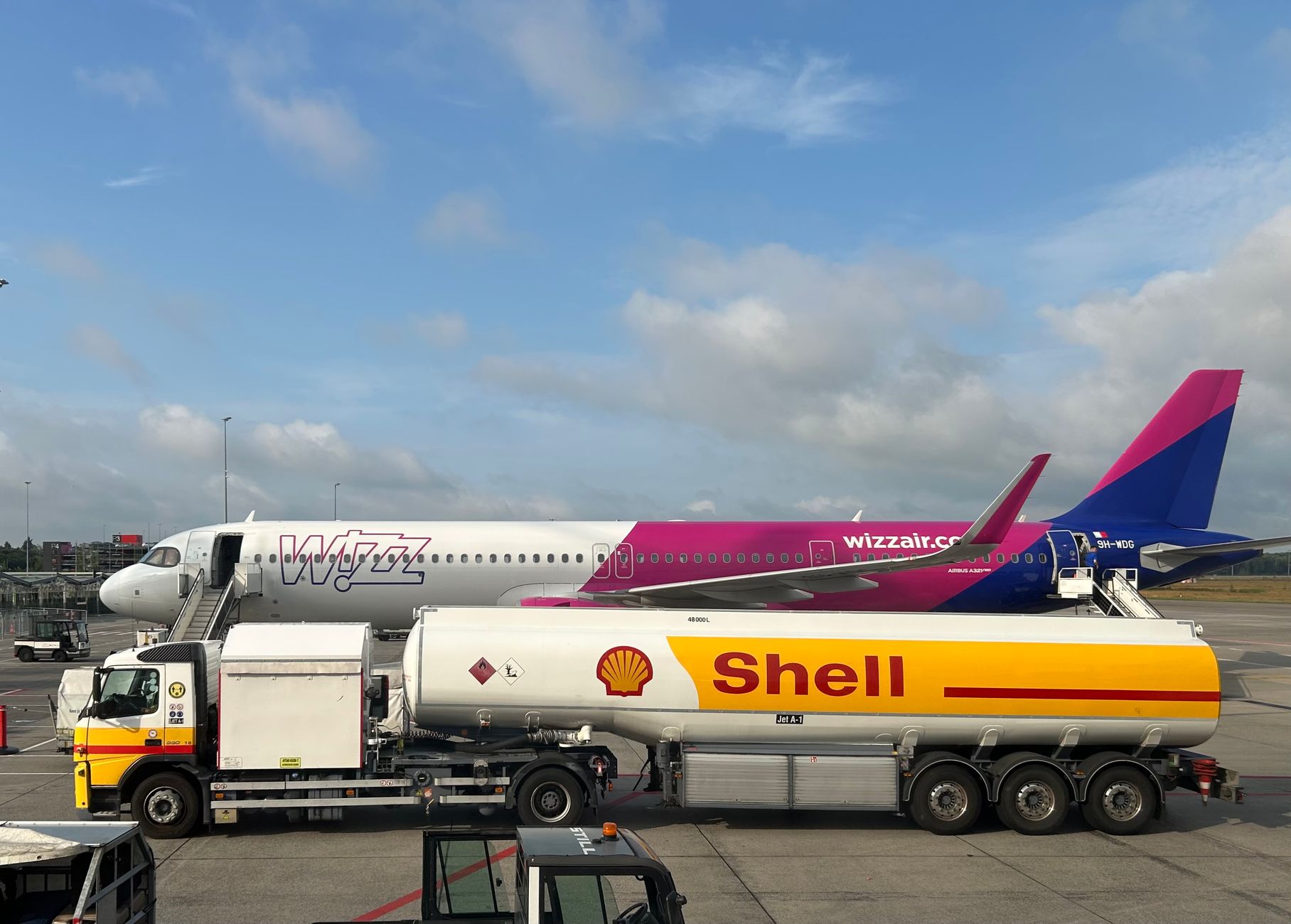
The aviation fuel rule will significantly affect flight ticket prices starting January 2027. This new regulation aims to streamline costs but raises questions about future travel expenses.
Understanding the Aviation Fuel Rule
The recently introduced aviation fuel rule in India has sparked considerable debate among travelers and industry experts alike. Scheduled to take effect in January 2027, this regulation aims to promote the use of sustainable aviation fuel (SAF) to reduce the carbon footprint of air travel.
Under this new directive, airlines are required to progressively increase their usage of SAF, which is considered a cleaner alternative to traditional aviation fuel. Proponents argue that this shift is crucial for addressing climate change and aligning with global sustainability goals.
However, the transition to SAF may come with financial implications. Here are some key points regarding the potential impact on ticket prices:
- Cost of Production: SAF is currently more expensive to produce than conventional aviation fuel, which could lead to increased operational costs for airlines.
- Market Dynamics: As airlines adjust to the new regulations, there may be fluctuations in flight ticket prices based on fuel costs.
- Passenger Impact: Travelers may face higher fares as airlines pass on the costs associated with complying with the aviation fuel rule.
As the implementation date approaches, stakeholders are urging for a comprehensive analysis of how these changes will affect the aviation sector and ticket prices for consumers.
Impact on Flight Ticket Prices
The implementation of the new aviation fuel rule is raising concerns among travelers about potential increases in flight ticket prices. As airlines adjust to the new regulations, the added costs of complying with these rules may be passed on to consumers.
Several factors influence how much ticket prices could rise:
- Fuel Costs: The primary impact will stem from changes in fuel pricing. If airlines face higher operational costs due to new fuel standards, they may increase ticket prices to maintain profit margins.
- Market Competition: Airlines operating in a highly competitive market may absorb some costs to remain attractive to customers, potentially mitigating price hikes.
- Travel Demand: Seasonal demand fluctuations can also affect pricing. If demand is high, airlines may raise prices, but in low-demand periods, they might offer discounts.
Experts suggest that while some increase in fares is likely, the extent will depend on how well airlines adapt to the new regulations and their ability to manage costs effectively. Travelers should keep an eye on industry trends as 2027 approaches.
What Travelers Need to Know
As the implementation date for the new aviation fuel rule approaches in January 2027, travelers should stay informed about its potential impact on travel costs. While the specifics of the rule are still being finalized, it is essential to consider how these changes might affect flight ticket prices.
Here are a few key points travelers need to be aware of:
- Understanding the Rule: The aviation fuel rule aims to regulate fuel pricing and sustainability measures. This could lead to increased operational costs for airlines, which may be passed on to consumers.
- Price Fluctuations: Passengers should anticipate potential fluctuations in ticket prices as airlines adjust their pricing strategies in response to the new regulations.
- Booking in Advance: It might be advantageous for travelers to book flights well in advance, as prices could rise closer to the implementation of the rule.
- Comparing Airlines: Keeping an eye on different airlines’ pricing and policies regarding the aviation fuel rule can help travelers secure the best deals.
By staying informed, travelers can make better decisions and prepare for the possible changes ahead in the aviation landscape.
Future of Travel in India
The future of travel in India is poised for significant changes with the introduction of the new aviation fuel rule. As airlines adapt to this regulation, travelers may experience variations in flight ticket prices. The rule aims to enhance sustainability in the aviation sector, promoting the use of cleaner fuels and reducing carbon emissions. However, these environmental benefits come with potential cost implications.
Industry experts predict that the shift towards more sustainable aviation fuels could lead to increased operational costs for airlines. This, in turn, may be reflected in higher ticket prices for consumers. The rule is designed to support India’s commitment to climate goals, but it raises questions about affordability for travelers.
As airlines prepare to comply with the new regulations, passengers should stay informed about how these changes may impact their travel budgets. Key considerations include:
- The timeline for the implementation of the aviation fuel rule.
- Potential strategies airlines might adopt to mitigate cost increases.
- How competition among carriers could influence pricing.
In summary, while the goal is to foster a more sustainable aviation industry, travelers may need to brace for changes in ticket prices as 2027 approaches.
Photo by Joe Ambrogio on Pexels
Where this came from
Business Visa Procedures: Easy Steps for Turkmenistan Travel · Lufthansa A380 flights: Is This the Worst Travel Change? · Private Terminal Colorado: Is It the Best Choice for Skiers?