Adam Diaz
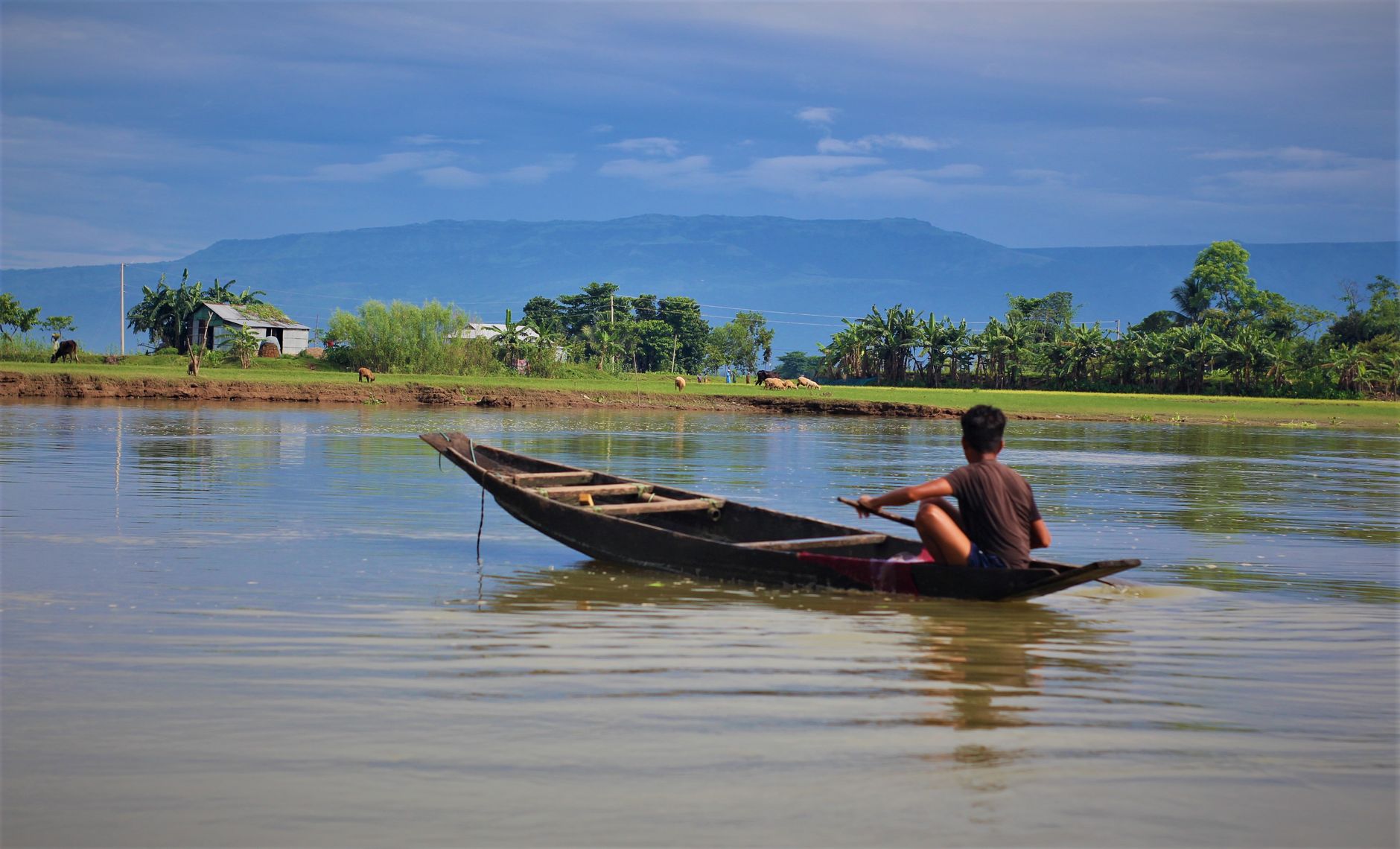
The Sunamganj Meghalaya border haat has reopened, providing new opportunities for travelers eager to experience cross-border trade and cultural exchange.
Overview of the Border Haat
The Sunamganj Meghalaya border haat has officially reopened, marking a significant development for cross-border trade and tourism. This reopening comes after a period of closure due to various circumstances, and it aims to facilitate the movement of goods and people between the two regions.
The border haat serves as a vital link for local communities, providing an opportunity for vendors and travelers to engage in commerce and cultural exchange. Here are some key points regarding the border haat:
- Location: Situated at the India-Bangladesh border, the haat is easily accessible from both sides.
- Products: It features a variety of goods such as handicrafts, textiles, and local produce.
- Benefits: The reopening is expected to boost the local economy and strengthen ties between the communities.
- Safety Measures: Authorities have implemented health protocols to ensure a safe environment for all travelers.
With the reopening of the Sunamganj Meghalaya border haat, hopes are high for revitalized trade and enhanced cooperation between the neighboring regions.
What to Expect at the Reopening
Travelers planning to visit the Sunamganj Meghalaya border haat can anticipate a safe and welcoming environment as the reopening approaches. The authorities have implemented several measures to ensure the safety of all visitors.
Here’s what to expect:
- Health Protocols: Visitors will be required to follow health guidelines, including wearing masks and maintaining social distancing.
- Customs and Regulations: Travelers should be aware of the customs regulations in place, especially regarding the import of goods.
- Local Culture: The border haat will feature local handicrafts and produce, allowing visitors to experience the rich culture of the region.
- Food Options: Local cuisine will be available, providing an opportunity to taste traditional dishes from both sides of the border.
Overall, the reopening of the Sunamganj Meghalaya border haat promises an enriching experience for travelers, with a focus on safety and cultural exchange.
Travel Tips for Visitors
As travelers prepare to visit the Sunamganj Meghalaya border haat, it is essential to keep in mind some practical tips to ensure a smooth experience. First, check the latest travel advisories and local guidelines related to health and safety, as these can change frequently.
Before embarking on your journey, make sure to carry essential documents, including identification and any necessary permits. Additionally, it is advisable to bring local currency for transactions, as not all vendors may accept digital payments.
Pack light but include essentials such as water, snacks, and sunscreen, especially if you plan to explore the area thoroughly. Dress comfortably and appropriately for the weather, considering the local climate can vary significantly.
Lastly, engage with local vendors and fellow travelers. This not only enhances your experience but also supports the community involved in the border haat.
Cultural Significance of the Haat
The Sunamganj Meghalaya border haat holds deep cultural significance for the communities on both sides of the border. It serves not only as a marketplace but also as a vibrant hub where people from diverse backgrounds come together to share their traditions and lifestyles. Visitors can experience a rich tapestry of local crafts, foods, and music that reflect the unique heritage of the region.
At the haat, one can find an array of goods including handmade textiles, pottery, and agricultural products, all of which showcase the artistry and skills of local artisans. This exchange fosters a sense of community and promotes cultural understanding between the people of Sunamganj and Meghalaya.
Moreover, the border haat acts as a bridge for social interaction, allowing travelers to connect with locals and learn about their customs. The reopening of the haat promises to revitalize these cultural exchanges, making it a must-visit destination for those interested in exploring the rich heritage of the area.
Safety Measures in Place
The reopening of the Sunamganj Meghalaya border haat has been accompanied by a series of stringent safety measures to ensure the well-being of both travelers and vendors. Authorities have implemented protocols aimed at minimizing health risks while promoting cross-border trade.
- Health Screening: All visitors will undergo temperature checks at entry points to identify any potential health risks.
- Sanitization Stations: Hand sanitizers will be readily available throughout the haat to encourage regular hand hygiene among visitors.
- Social Distancing: Markers will be placed to maintain safe distances in queues and crowded areas, ensuring that visitors feel secure.
- Mask Mandate: Wearing face masks is mandatory for everyone entering the border haat, reinforcing the commitment to safety.
These measures reflect the joint efforts of local authorities and health officials to create a safe environment, allowing the Sunamganj Meghalaya border haat to thrive once again alongside safety.
Local Products Available
The Sunamganj Meghalaya border haat offers a unique shopping experience for travelers looking to explore local craftsmanship and traditional goods. Visitors can expect to find a variety of products that reflect the rich culture and heritage of the region. Some of the notable items available include:
- Handwoven Textiles: Beautifully crafted garments and accessories made from traditional fabrics.
- Organic Spices: Locally sourced spices that add authentic flavors to culinary dishes.
- Artisanal Handicrafts: Unique handmade items, including pottery, bamboo products, and wooden crafts.
- Traditional Jewelry: Intricately designed pieces that showcase the artistry of local artisans.
These local products not only support the economy but also provide visitors with a chance to take home a piece of the Sunamganj Meghalaya border haat’s vibrant culture. Shoppers are encouraged to engage with the sellers to learn about the stories behind each item.
How to Reach the Border Haat
Travelers looking to visit the Sunamganj Meghalaya border haat can easily reach this vibrant destination through various means of transportation. The nearest major city is Sylhet, which is well-connected by road and air. From Sylhet, visitors can hire taxis or take local buses that head directly to the border haat.
For those traveling from Meghalaya, Shillong serves as a convenient starting point. Buses and shared taxis frequently operate from Shillong to the border area, making it accessible for tourists and locals alike.
It is advisable to check the local weather conditions before planning your trip, as heavy rains can affect travel schedules. Additionally, ensure that you carry valid identification and any necessary permits, as they may be required at the border. With these preparations in mind, visitors can look forward to an enriching experience at the Sunamganj Meghalaya border haat.
Future Prospects for Cross-Border Trade
The reopening of the Sunamganj Meghalaya border haat marks a significant milestone for cross-border trade, with promising prospects for the future. Local businesses are optimistic about the potential increase in goods and services exchanged across the border, enhancing economic ties between Bangladesh and India.
As trade resumes, stakeholders anticipate a rise in the variety of products available, further boosting the local economy. The border haat is expected to become a hub for not only trade but also cultural exchange, fostering a deeper understanding between communities.
Additionally, authorities are exploring initiatives to improve infrastructure and connectivity, which will facilitate easier access for travelers and traders alike. This development could lead to a steady flow of visitors, benefiting local artisans and farmers who rely on the market.
In conclusion, the Sunamganj Meghalaya border haat is poised to thrive, offering new opportunities for both economic growth and cultural enrichment in the region.
Photo by Mainul Islam on Pexels