Adam Diaz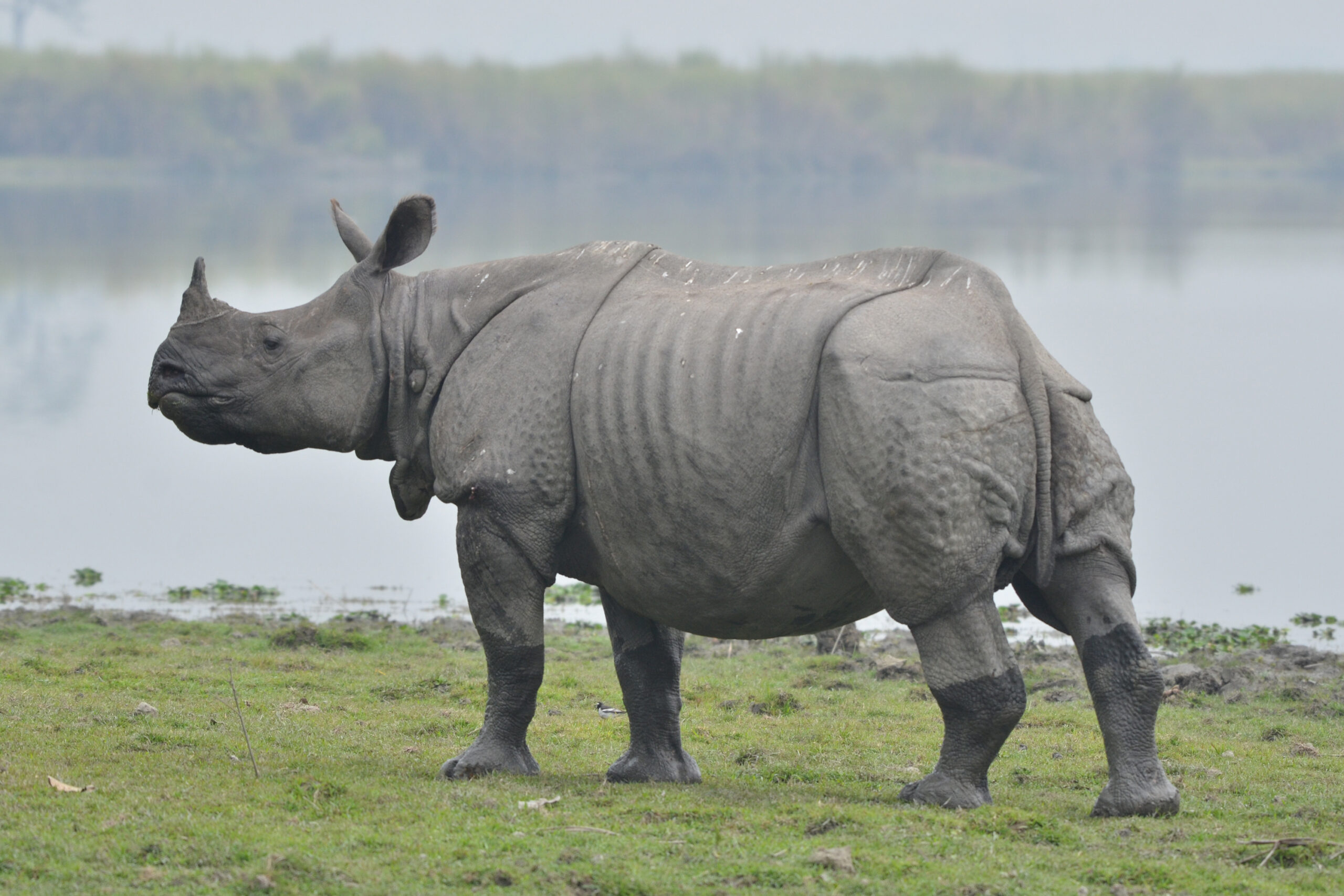
Kaziranga National Park is set to welcome tourists once again, offering a unique opportunity to explore its rich biodiversity and stunning landscapes.
Overview of Kaziranga National Park
Kaziranga National Park, located in the northeastern state of Assam, is renowned for its rich biodiversity and unique ecosystem. Spanning over 430 square kilometers, the park is a UNESCO World Heritage Site, famous for being a sanctuary for the Indian one-horned rhinoceros. Established in 1905, it has evolved into a vital conservation area, protecting various species of flora and fauna.
The park features a mix of grasslands, wetlands, and dense forests, providing habitats for numerous animals including elephants, tigers, and various bird species. Visitors can enjoy the breathtaking landscapes while embarking on jeep or elephant safaris, which offer a close encounter with the wildlife.
In recent years, Kaziranga National Park has attracted tourists from across the globe, eager to witness its natural wonders. The park’s reopening for tourists has been met with enthusiasm, and local officials are optimistic about achieving record footfall this season. The state government has implemented various measures to enhance visitor experience, including improved facilities and guided tours.
Moreover, the park is not only a destination for wildlife enthusiasts but also for those interested in the rich culture and traditions of the indigenous communities surrounding it. As Kaziranga National Park continues to be a prominent tourist destination, it plays a crucial role in promoting eco-tourism and conservation efforts in the region.
Tourist Attractions in Kaziranga
Kaziranga National Park, a UNESCO World Heritage Site, is renowned for its rich biodiversity and stunning landscapes. Visitors to this remarkable destination can experience a variety of attractions that highlight its unique wildlife and picturesque scenery.
One of the main attractions of Kaziranga National Park is its population of the Indian one-horned rhinoceros. This majestic creature draws wildlife enthusiasts from around the globe. Each year, tourists flock to the park for the opportunity to witness these magnificent animals in their natural habitat.
In addition to the rhinos, Kaziranga is home to a diverse array of wildlife, including:
- Bengal tigers: These elusive big cats can often be spotted stealthily moving through the grasslands.
- Asian elephants: Visitors can observe these gentle giants as they roam freely in the park.
- Birdwatching: Over 480 species of birds call Kaziranga home, making it a paradise for birdwatchers.
To enhance the visitor experience, the park offers various activities. Jeep and elephant safaris provide an immersive way to explore the stunning landscapes and observe wildlife up close. Additionally, guided nature walks allow tourists to appreciate the park’s flora and fauna while learning about conservation efforts.
Overall, Kaziranga National Park stands out as a top tourist destination for those seeking adventure and a connection with nature.
Best Time to Visit Kaziranga
The best time to visit Kaziranga National Park is between November and April. During this period, the weather is pleasantly cool, making it ideal for wildlife enthusiasts and nature lovers. The park’s lush greenery and diverse wildlife are at their peak during these months, offering visitors a chance to experience the vibrant ecosystem in all its glory.
In particular, the months of January and February are known for their clear skies and mild temperatures, allowing for unobstructed views of the breathtaking landscape. Moreover, this time is excellent for spotting the famous one-horned rhinoceros, which is one of the main attractions of Kaziranga National Park.
As the summer months approach, temperatures can rise significantly, making it less comfortable for outdoor activities. However, the monsoon season, from June to September, brings heavy rainfall, which can lead to flooding in some areas of the park. Many visitors prefer to avoid this time since it can disrupt safari tours and wildlife sightings.
To ensure a memorable experience in Kaziranga, planning your visit during the optimal months is essential. Not only will you enjoy better weather, but you will also witness the park’s rich biodiversity at its finest. This makes Kaziranga National Park a must-visit destination for anyone looking to explore the wild beauty of Assam.
Wildlife Experiences in Kaziranga
Kaziranga National Park, a UNESCO World Heritage Site, is renowned for its diverse wildlife experiences that draw nature lovers and adventure seekers alike. The park is especially famous for its population of the Indian one-horned rhinoceros, which is a key attraction for visitors.
While exploring Kaziranga, tourists can engage in a variety of activities that showcase the park’s rich biodiversity:
- Jeep Safaris: One of the best ways to experience the park’s wildlife is through guided jeep safaris. These allow visitors to venture deep into the park’s interior, offering opportunities to spot rhinos, elephants, and a variety of bird species.
- Elephant Rides: Another unique experience is taking an elephant ride through the park. This allows for a different perspective on the landscape and an up-close view of wildlife.
- Bird Watching: Kaziranga is home to over 480 species of birds, making it a paradise for bird watchers. Early morning treks can yield sightings of rare and migratory birds.
- Nature Walks: Guided nature walks provide an intimate experience of the park’s flora and fauna, allowing visitors to learn more about the ecosystem.
These wildlife experiences in Kaziranga National Park not only highlight the area’s natural beauty but also promote conservation efforts and sustainable tourism.
Kaziranga’s Conservation Efforts
Kaziranga National Park, renowned for its biodiversity, has made significant strides in conservation efforts to protect its unique wildlife. The park is home to the world’s largest population of the Indian one-horned rhinoceros, and various initiatives have been implemented to ensure their survival and the preservation of their habitat.
The authorities have adopted a multi-faceted approach to conservation, which includes:
- Anti-Poaching Measures: Stringent patrols and surveillance have been established to combat poaching, a major threat to rhinos and other species within the park.
- Community Involvement: Engaging local communities in conservation efforts has proven essential. By involving residents in eco-tourism initiatives, the park fosters a sense of ownership and responsibility towards wildlife preservation.
- Habitat Restoration: Programs aimed at restoring degraded areas within the park are underway, ensuring that wildlife has enough space and resources to thrive.
- Education and Awareness: The park has initiated educational programs for visitors and locals alike, highlighting the importance of conservation and the unique ecosystem of Kaziranga National Park.
These concerted efforts have not only helped stabilize the population of key species but have also contributed to the park’s status as a premier tourist destination. As Kaziranga National Park reopens for tourists, the hope is to achieve record footfall while maintaining the delicate balance between tourism and conservation.
Visitor Guidelines for Kaziranga
Visitors planning a trip to Kaziranga National Park should adhere to specific guidelines to ensure a safe and enjoyable experience. Following these recommendations not only enhances visitor safety but also contributes to the conservation of this UNESCO World Heritage site.
Before entering the park, tourists should consider the following guidelines:
- Entry Timings: The park opens early in the morning and closes at sunset, so it’s advisable to plan your visit accordingly.
- Permits: A valid entry permit is mandatory for all visitors. These can be obtained at the park’s entrance or through official online portals.
- Vehicle Regulations: Only authorized vehicles are allowed inside the park. Self-driving is not permitted to minimize disturbances to wildlife.
- Guided Tours: Hiring a local guide is recommended. They can provide valuable insights into the park’s ecology and help spot wildlife.
- Safety Precautions: Maintaining a safe distance from wildlife is crucial. Feeding or approaching the animals is strictly prohibited.
- Leave No Trace: Visitors should ensure they do not litter and carry all waste out of the park to help preserve its natural beauty.
By following these guidelines, tourists can enjoy the breathtaking scenery and diverse wildlife that Kaziranga National Park has to offer, while also protecting this vital ecosystem for future generations.
By Anuwar ali hazarika via Openverse