Adam Diaz
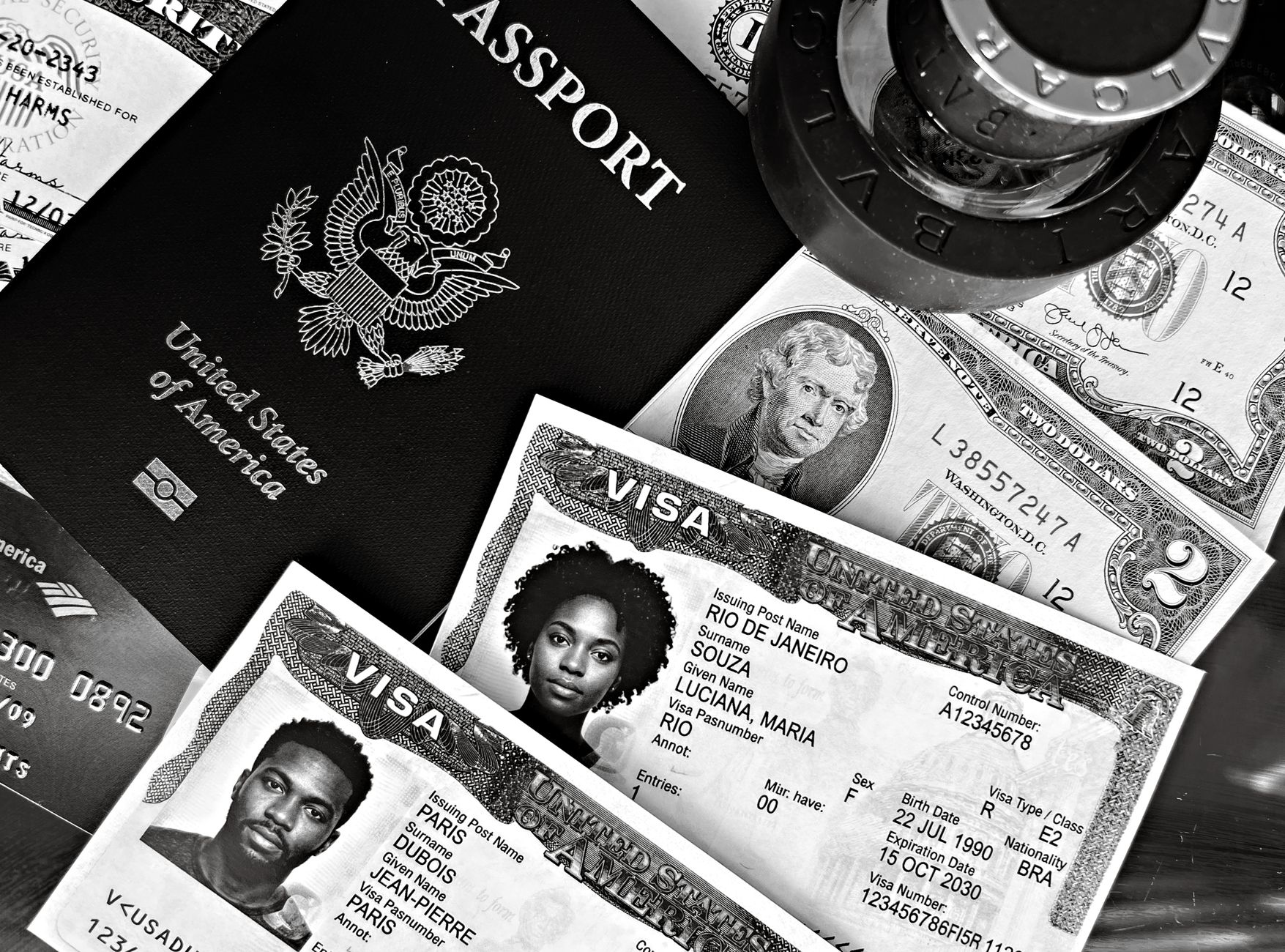
India visa rules have recently been simplified, reducing the categories to nine. This change aims to streamline the visa application process for travelers.
Overview of India’s New Visa Categories
India has recently updated its visa rules, streamlining the process and reducing the number of categories to just nine. This significant change aims to simplify the application process for foreign visitors, making it easier for travelers to understand which visa they need.
Under the new visa rules, each category is designed to cater to specific purposes, ensuring that applicants can find the right fit for their travel intentions. The nine visa categories include:
- Tourist Visa: Ideal for those visiting India for leisure and sightseeing.
- Business Visa: Designed for individuals attending business meetings or conferences.
- Employment Visa: For foreign nationals seeking job opportunities in India.
- Student Visa: Targeted at international students enrolled in Indian educational institutions.
- Medical Visa: For individuals traveling to India for medical treatment.
- Research Visa: Specifically for researchers conducting studies in India.
- Transit Visa: For those passing through India on their way to another destination.
- Intern Visa: For foreign interns working with Indian organizations.
- Conference Visa: For participants attending conferences and seminars.
This new structure not only simplifies the application process but also enhances clarity around India visa rules, encouraging more tourists and professionals to explore opportunities in the country.
How the Changes Affect Travelers
The recent changes in India visa rules significantly impact travelers looking to visit the country. With the consolidation of visa categories into just nine, navigating the application process has become simpler and more efficient. This reduction aims to provide clarity and ease for both first-time visitors and frequent travelers.
Travelers can expect several key benefits from these changes:
- Simplified Application Process: Fewer categories mean less confusion. Applicants can more easily identify the appropriate visa type for their specific needs.
- Streamlined Approval Times: With a more organized system, the processing times for visa approvals are expected to decrease, allowing travelers to plan their trips with greater certainty.
- Increased Accessibility: The new rules cater to a wider range of travelers, including tourists, students, and business professionals, making it easier for them to enter India for various purposes.
- Enhanced Support: The Indian government is committed to improving the overall experience for visitors, which includes better customer service and assistance during the visa application process.
Overall, these adjustments in India visa rules are designed to create a more traveler-friendly environment. As the country opens its doors wider to international visitors, prospective travelers can look forward to a more straightforward journey into India.
Key Benefits of Simplified Visa Rules
The recent changes to India visa rules have brought about several key benefits that travelers can take advantage of. With the reduction of visa categories to nine, the process has become more streamlined, making it easier for both tourists and business travelers to navigate.
Some notable advantages include:
- Simplified Application Process: The new categories allow for a more straightforward application process, reducing the chances of confusion and errors.
- Faster Processing Times: With fewer categories to process, applicants can expect quicker turnaround times for visa approvals.
- Expanded Eligibility: The revised rules offer expanded eligibility for various types of travelers, including those coming for medical, educational, and business purposes.
- Increased Transparency: The consolidation of visa categories provides clearer guidelines and requirements, which helps applicants understand what is needed for their specific situation.
- Enhanced Accessibility: With simplified India visa rules, a wider range of individuals can now access the necessary permits for travel, fostering greater tourism and international exchange.
Overall, the new visa categories not only simplify the process for travelers but also promote a more welcoming environment for those looking to explore or conduct business in India.
Comparing Old and New Visa Categories
The recent changes in India’s visa rules have significantly altered the landscape for travelers. Previously, there were a multitude of visa categories, making the application process cumbersome. Now, with the simplification of visa types, the number has been reduced to just nine, streamlining the experience for applicants.
Here’s a comparison of the old and new visa categories:
- Old Categories:
- Tourist Visa
- Business Visa
- Employment Visa
- Student Visa
- Transit Visa
- Research Visa
- Journalist Visa
- Conference Visa
- Medical Visa
- Entry Visa
- New Categories:
- Tourist Visa
- Business Visa
- Employment Visa
- Student Visa
- Medical Visa
- Research Visa
- Conference Visa
- Transit Visa
- Entry Visa
The most notable change is the consolidation of some categories, which aims to simplify the application process. Travelers can now navigate the visa system more easily, ensuring a smoother journey to India.
What You Need to Know About Visa Applications
When applying for a visa to India, understanding the updated visa rules is essential for a smooth experience. The recent simplification of India visa rules has streamlined the application process, making it easier for travelers to select the appropriate visa category.
The key components to keep in mind when preparing your application include:
- Document Requirements: Ensure you have all necessary documents, including a valid passport, recent photographs, and any additional paperwork specific to your visa category.
- Application Process: Most applications can now be completed online, allowing for a quicker submission. Be sure to follow the instructions carefully to avoid delays.
- Processing Times: Although processing times can vary, applicants are generally advised to apply at least a few weeks in advance of their intended travel date to account for any potential delays.
- Visa Fees: Familiarize yourself with the new fee structure, as it may differ from previous categories. Ensure that your payment method is accepted to avoid complications.
- Eligibility Criteria: Check the eligibility requirements for your chosen visa type, as they may have changed under the new rules.
By staying informed about these aspects of India visa applications, travelers can navigate the process with confidence and ensure a successful trip.
Expert Opinions on Visa Simplification
Experts in immigration law and travel have weighed in on the recent changes to India visa rules, emphasizing the positive impact on international travelers. According to Dr. Anjali Mehta, a prominent immigration consultant, the simplification of visa categories is a significant step forward. “By reducing the number of categories to just nine, India has made it easier for travelers to navigate the complex visa process,” she stated.
Notably, travel consultant Rajiv Sharma highlighted the potential for increased tourism, saying, “This streamlined approach not only enhances accessibility but also encourages more visitors to explore the diverse culture and heritage of India.” He believes that the clearer guidelines will attract both business and leisure travelers.
Furthermore, international relations expert, Dr. Priya Gupta, pointed out that these changes reflect India’s commitment to strengthening its global engagement. “Simplified visa rules can lead to stronger economic ties and greater cultural exchange,” she noted, adding that the move is particularly beneficial for countries with close diplomatic relations.
However, some experts caution that while the new rules are a step in the right direction, ongoing communication and support for applicants will be crucial. “Ensuring that travelers understand these changes is essential for the success of the new visa system,” explained immigration attorney, Sunil Verma.
Overall, the expert consensus is that simplifying India’s visa rules is a favorable development for both travelers and the country’s economy.
Future of Immigration Policies in India
The future of immigration policies in India is expected to evolve significantly as the nation embraces a more streamlined approach to visa regulations. With the recent changes that simplify India visa rules by reducing the number of visa categories to nine, there is potential for a more efficient immigration process that caters to the diverse needs of travelers and expatriates alike.
Many experts believe that these reforms will not only enhance India’s image as a travel-friendly destination but also foster greater international cooperation. The simplified visa framework aims to attract foreign talent, boost tourism, and encourage global business partnerships. As countries around the world adapt their immigration policies in response to changing global dynamics, India’s proactive stance may position it as a leader in this area.
Furthermore, the government’s commitment to regularly reviewing and updating these policies suggests a forward-thinking approach. Stakeholders anticipate that future adjustments will continue to align with international best practices, ensuring that India remains competitive in attracting visitors and skilled professionals.
As the country progresses, it will be crucial for both government officials and travelers to stay informed about any further changes to the India visa rules. This ongoing dialogue will help ensure that the immigration system remains responsive to the needs of all parties involved.
Conclusion: The Impact of New Visa Rules
In conclusion, the recent updates to India’s visa rules are set to significantly impact both travelers and the broader tourism landscape. By consolidating the visa categories into nine streamlined options, the Indian government aims to simplify the application process and enhance the overall experience for international visitors.
These changes not only make it easier for tourists to navigate the visa application system but also promote India as a more accessible destination. With the reduction in complexity, potential travelers can focus more on planning their trips rather than getting bogged down by bureaucratic hurdles.
Moreover, the new visa rules are expected to attract a diverse range of visitors, including business travelers, students, and cultural enthusiasts. The emphasis on ease of access aligns with global trends where countries are increasingly recognizing the importance of tourism for economic growth.
As noted by experts, the simplification of India’s visa rules will likely lead to increased footfall from international tourists, which in turn could boost local economies and foster cultural exchange. The success of these new categories will depend on continued efforts to maintain a user-friendly application process and proactive communication about the changes.
Overall, the impact of India’s new visa rules is poised to create positive ripples across various sectors, making travel to India not only simpler but also more appealing for millions around the world.
Understanding the India visa rules is essential for travelers planning their visits. This quick guide will help you navigate the new categories introduced in the India visa rules.
Photo by DΛVΞ GΛRCIΛ on Pexels