Adam Diaz
Freezer Check Before Leaving Town
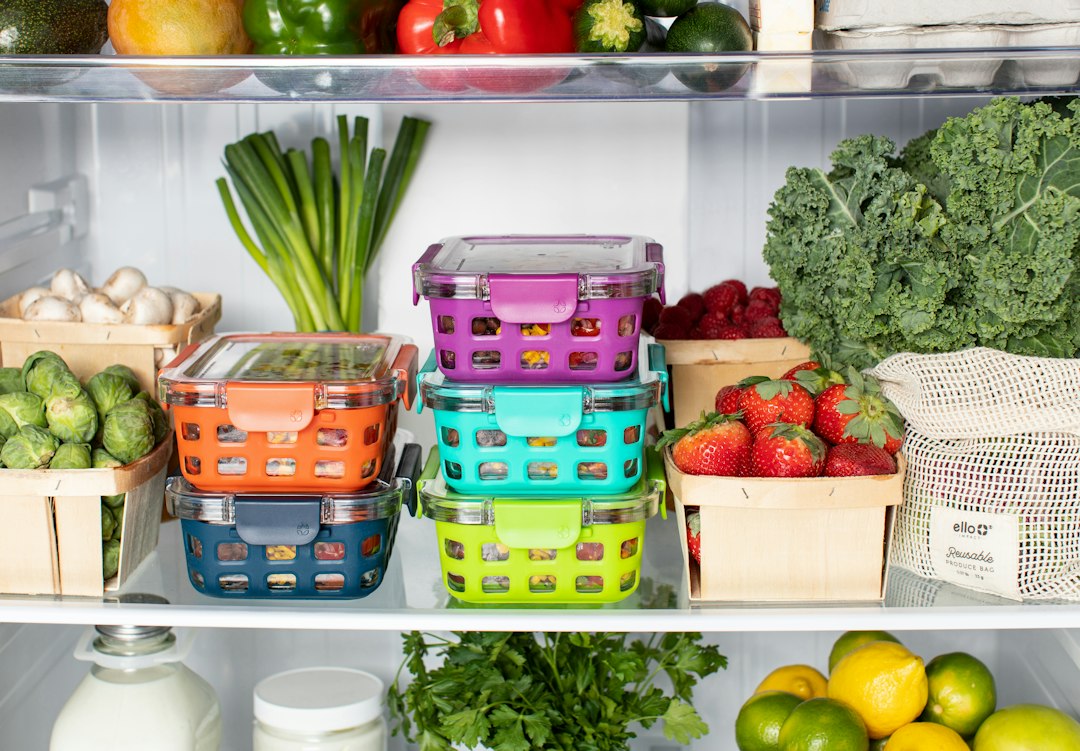
A pre-travel freezer check should clarify what you have, what belongs in the remaining meals and what can stay under appropriate frozen storage conditions. It does not need to become a last-minute cooking marathon. Identify the food, follow its storage directions and leave information you can understand when you return.
Travel preparation already creates several competing tasks. A freezer that looks untidy can tempt you to solve everything by cooking every open bag. That response may produce more food than the household wants before departure. A calmer review distinguishes an actual storage concern from a desire to make the freezer look finished.
Separate meal planning from a forced clean-out
Count the dinners you realistically expect to eat at home before leaving. Allow for the plans you have already made rather than inventing extra meals to use particular ingredients. If you have one evening available, choose a meal for that evening. Do not plan three different cooking sessions simply because three bags are open.
Look at the food’s identity and condition while making that choice. An open bag is not automatically a reason to cook everything in it, and a closed bag is not automatically proof that all storage conditions have been appropriate. Use the product’s directions and reliable information about its handling rather than relying on the appearance of the packaging alone.
For a planned pierogi dinner, consider the amount you actually want alongside the food already in the refrigerator. A familiar potato-and-cheddar filling such as Oh! So Cheesy might fit a simple meal with a vegetable you intend to use before departure. The goal is a sensible dinner, not a ceremonial clearing of every compartment.
Do not add another purchase merely to make the clean-out seem more complete. A new sauce or extra garnish may leave you with another open item to consider before the trip. Use accompaniments you genuinely want and keep the final evenings manageable. The meal should fit around packing and other preparations rather than compete with them.
Be equally cautious about preparing food for a return date that is not firm. Cooking now creates a different storage situation from leaving an uncooked product frozen as directed. Do not assume a cooked dish can simply wait indefinitely for whenever you arrive home. Plan according to the appropriate guidance for the actual food and storage method.
Identify food that can remain properly frozen
Review the package’s storage directions and the reliability of the freezer arrangement. Holy Perogy’s products are sold frozen and uncooked and are to be kept frozen until preparation according to the package. A pre-trip plan depends on maintaining those conditions; it should not presume that every absence leaves storage unchanged.
If you are planning a later purchase rather than stocking up before leaving Raleigh, save the local store listings for Raleigh for that shopping decision. Knowing you can investigate the desired variety later can help separate “food needed before departure” from “food I might want after the trip.” Current stock still needs confirmation with the retailer.
Make room without obscuring information. Rearranging bags may be enough to see what is present, but compressing them into an unmarked container can create a different problem. Keep the variety names and preparation instructions connected to the food. You should not return to a pile of similar-looking dumplings with no reliable way to distinguish them.
If you discover softened food or learn about a freezer interruption, set aside the meal plan long enough to check what happened. If food has been handled outside its intended conditions, consult authoritative guidance for that specific situation. The fact that you are leaving town does not make a questionable storage history clearer, and cooking everything is not a universal solution to uncertainty.
For a shared freezer, discuss any change that affects another person. Moving a roommate’s food to an unfamiliar location or using it to complete your own meal plan is not part of an ordinary tidy-up. Tell them where your food will remain and identify anything they are welcome to use, if that is your intention.
Leave useful labels for your return
The most useful record may be very short: the exact product, whether it is uncooked and where its instructions remain. Write for the version of yourself arriving home with luggage and other things to unpack. A cryptic abbreviation that makes sense today may be unhelpful after a week of different meals and routines.
If more than one filling is present, preserve each identity separately. “Pierogies” is not enough to distinguish a cheese filling from a pork-containing or chicken filling. Keep the original package where possible and make any additional label consistent with it. Do not reconstruct ingredients from memory after throwing the bag away.
A small note about intended use can help without becoming a rigid menu. You might remind yourself that a particular bag was meant for a simple supper rather than a gathering. Copy any relevant storage information from the package rather than relying on a date chosen to fit your itinerary. Keep that information readable alongside the meal note.
Leave the freezer arranged so that ordinary use will not undo the work immediately. Products should remain identifiable when another household member opens the door or removes a different item. A system that depends on everything staying in a precise visual pattern may not survive a shared kitchen.
Departure can then end with a useful result: a realistic final dinner and a freezer whose contents still make sense. You have not forced yourself to eat an unnecessary meal, and your return begins with recognizable food rather than a puzzle made from discarded labels.
What You Need to Know
- Conducting a pre-travel freezer check helps clarify existing food items and their proper storage conditions.
- Meal planning before a trip should focus on realistically expecting the number of dinners you will eat at home rather than forcing multiple cooking sessions.
- It is important to differentiate between food that is still safe to eat and items that may require special consideration due to altered storage conditions.
- Keeping detailed labels about food identity and preparation instructions is essential for a smooth return from a trip.
- When sharing a freezer, communicate with other household members about food placement and usage to avoid confusion.
- Avoid creating unnecessary meal plans based on open bags, as this can lead to cooking more than needed before leaving.