Adam Diaz
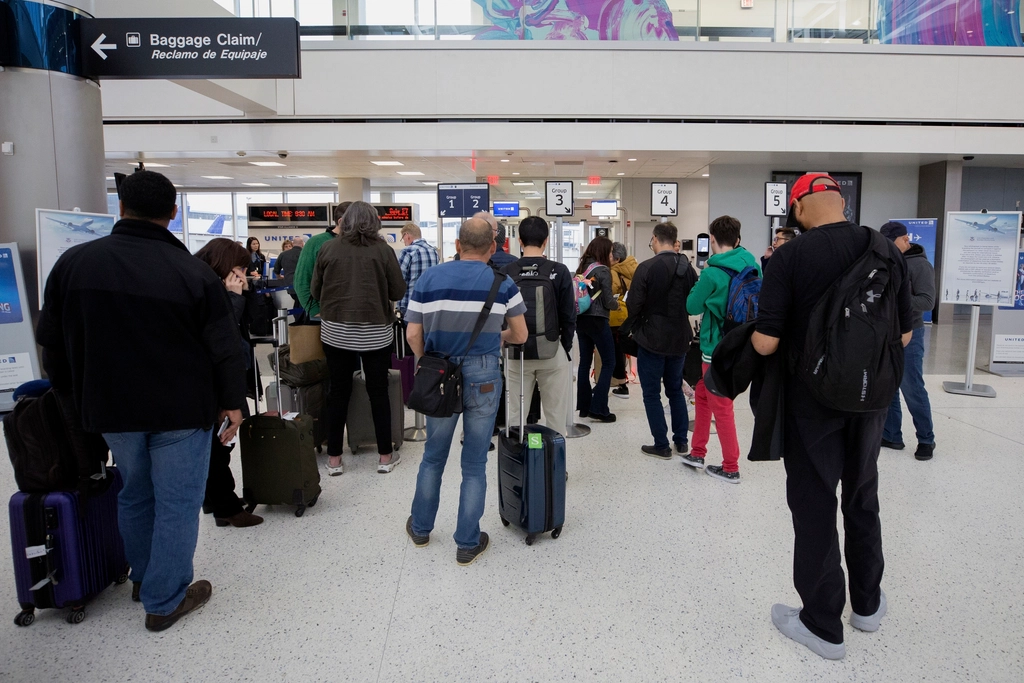
The biometric immigration terminal enhances border efficiency, allowing faster India-Bhutan border crossings for travelers. This new system aims to facilitate smoother journeys between the two countries.
Overview of the Biometric Immigration Terminal
The recent inauguration of the biometric immigration terminal in Gelephu marks a significant advancement in border control technology, aimed at enhancing the efficiency of India-Bhutan crossings. This state-of-the-art facility is designed to streamline the immigration process, reducing wait times and improving security for all travelers.
The terminal employs cutting-edge biometric technology, which allows for rapid identity verification through fingerprint and facial recognition systems. This innovation not only expedites the entry and exit process but also bolsters the safety measures at the border, ensuring that individuals are accurately identified.
Key features of the biometric immigration terminal include:
- Speed: Travelers can expect significantly shorter queues and processing times.
- Security: Enhanced measures to prevent identity fraud and unauthorized access.
- User-friendly interface: Designed to accommodate a wide range of travelers, including families and individuals.
Overall, the introduction of the biometric immigration terminal in Gelephu represents a leap forward in border management, fostering smoother travel experiences between India and Bhutan.
Benefits of Faster Border Crossings
The introduction of the biometric immigration terminal has significantly enhanced the efficiency of border crossings. Travelers can now experience shorter wait times and streamlined processing, making their journeys more convenient. Here are some key benefits of faster border crossings:
- Reduced Wait Times: With the implementation of biometric technology, travelers can expect quicker identification and verification processes, leading to minimal delays.
- Increased Security: Biometric systems add an additional layer of security, ensuring that only authorized individuals cross the border while maintaining a smooth flow of traffic.
- Enhanced Traveler Experience: The ease of use associated with biometric immigration terminals allows travelers to move efficiently, reducing the stress often associated with crossing borders.
- Economic Benefits: Faster border crossings can stimulate trade and tourism, contributing positively to the economies of both nations involved.
- Improved Record Keeping: The data collected through biometric systems aids in maintaining accurate records, facilitating better immigration management.
Overall, the biometric immigration terminal serves as a vital tool in modernizing border control, ensuring that travelers enjoy a more seamless experience.
How the New System Works
The new biometric immigration terminal streamlines the border crossing process for travelers between India and Bhutan. Utilizing cutting-edge technology, the system enhances security while reducing wait times. When a traveler approaches the terminal, they are guided to a kiosk equipped with a scanner.
At the kiosk, the following steps take place:
- Identity Verification: Travelers scan their passport or national ID, which is checked against a secure database.
- Biometric Capture: Using fingerprint and facial recognition technology, the terminal captures biometric data to ensure that the individual matches the identity documents presented.
- Real-time Processing: The data is processed in real-time, allowing for immediate feedback on the traveler’s eligibility to cross the border.
- Approval and Clearance: Once verified, travelers receive a confirmation message, granting them access to proceed through the border.
This efficient process minimizes human error and enhances the overall safety of border crossings. With the implementation of the biometric immigration terminal, travelers can expect a smoother and quicker experience at the border.
Traveler Experiences at the Terminal
Travelers have shared their experiences with the newly implemented biometric immigration terminal, highlighting its impact on their journey across borders. Many have noted that the terminal significantly reduces wait times, allowing them to pass through immigration with minimal delay.
For instance, one frequent traveler remarked, “I used to dread the long lines at immigration, but with the biometric system, I was through in minutes. It’s a game changer!” This sentiment was echoed by others who appreciated the efficiency and modern technology used in the process.
Some travelers also emphasized the ease of use of the biometric immigration terminal. “It was straightforward. Just scan my passport and my face, and I was on my way,” said a business traveler who frequently crosses the India-Bhutan border. The feedback indicates a general satisfaction with the system, which not only enhances security but also streamlines the traveling experience.
As more travelers share their positive experiences, it is clear that the biometric immigration terminal is paving the way for a more efficient border crossing process, encouraging increased travel and connectivity between nations.
Future of India-Bhutan Travel
The introduction of the biometric immigration terminal marks a significant milestone in the evolution of travel between India and Bhutan. As both nations continue to strengthen their ties, this technological advancement is expected to play a crucial role in enhancing the overall travel experience for citizens and tourists alike.
The biometric immigration terminal not only promises to expedite border crossings but also aims to bolster security measures, ensuring that travelers can cross borders with peace of mind. This innovation aligns with the growing trend of utilizing technology for efficient immigration processes.
Looking ahead, the future of India-Bhutan travel appears promising. As more travelers embrace this system, we can expect an increase in bilateral tourism, economic collaboration, and cultural exchange. The ease of movement facilitated by the biometric immigration terminal will likely encourage more people to explore the rich heritage and beautiful landscapes of both nations.
Additionally, discussions are ongoing about expanding the capabilities of the biometric immigration terminal to further streamline the process. This could include enhancements such as real-time data sharing and integration with other border systems, paving the way for a seamless travel experience in the region.
Government Initiatives for Border Efficiency
The introduction of the biometric immigration terminal is part of broader government initiatives aimed at enhancing border efficiency. By implementing this advanced technology, authorities are focused on streamlining the immigration process for travelers, ensuring smoother transitions at border crossings.
Several key initiatives have been introduced alongside the biometric immigration terminal:
- Investment in Technology: The government is investing heavily in cutting-edge technologies to improve border management and security.
- Training Programs: Customs and immigration personnel are undergoing extensive training to effectively operate and manage the new systems.
- Public Awareness Campaigns: Efforts are underway to educate travelers about the benefits and functionalities of the biometric immigration terminal, ensuring a seamless experience.
- International Collaboration: Partnerships with neighboring countries aim to harmonize border procedures and enhance cooperative security measures.
This integrated approach not only promises to reduce wait times for travelers but also strengthens the overall security framework at borders. The biometric immigration terminal stands as a testament to the government’s commitment to modernizing immigration processes while fostering regional connectivity.
Openverse